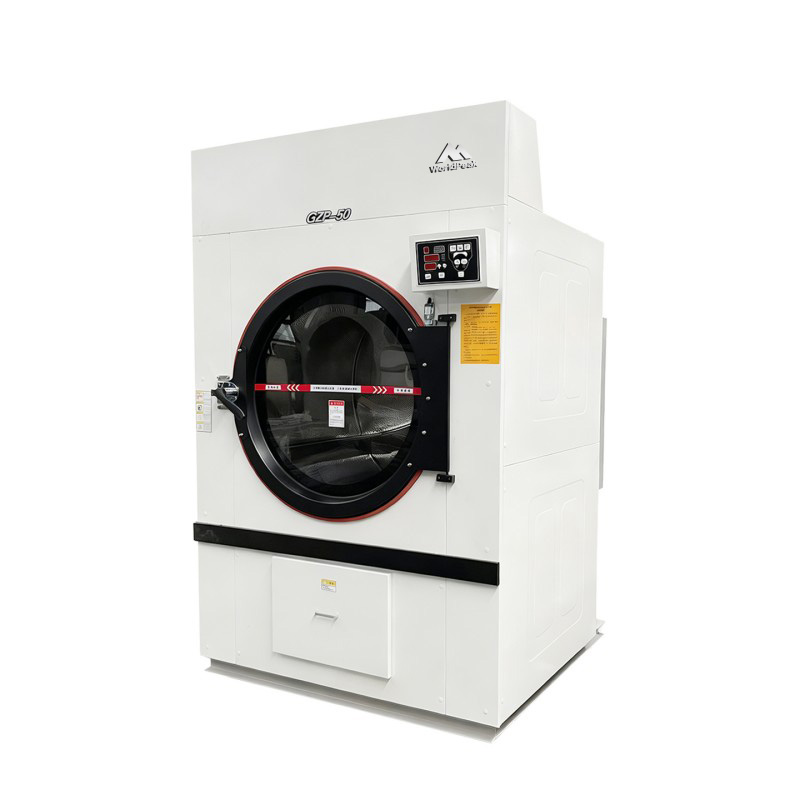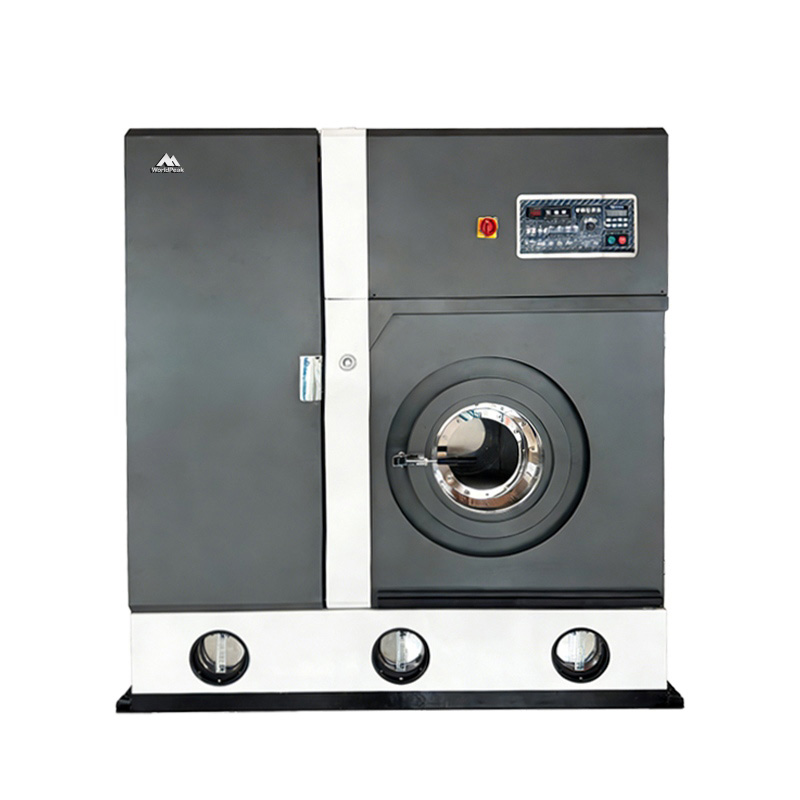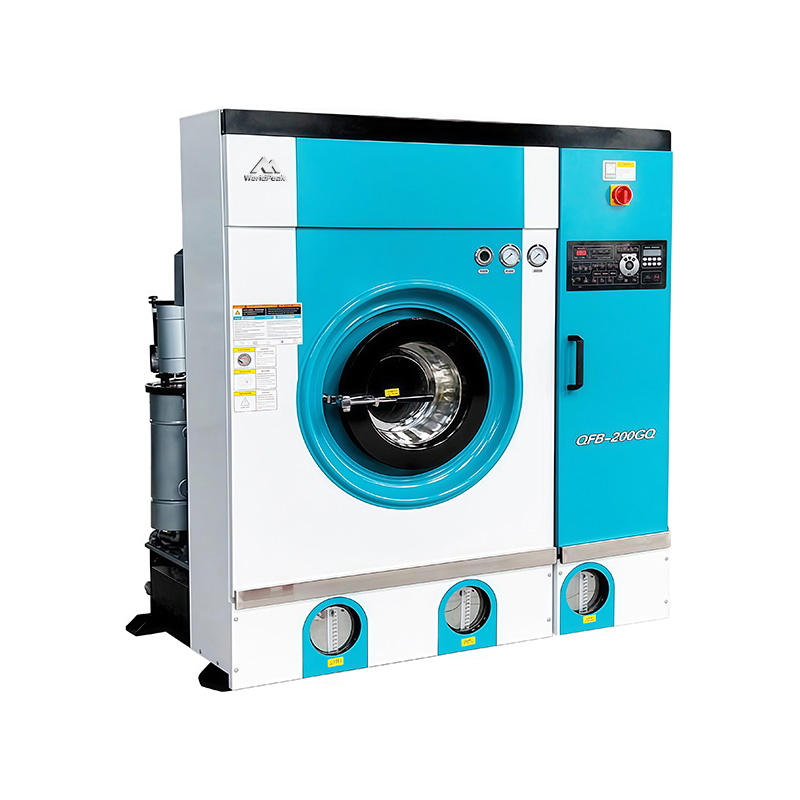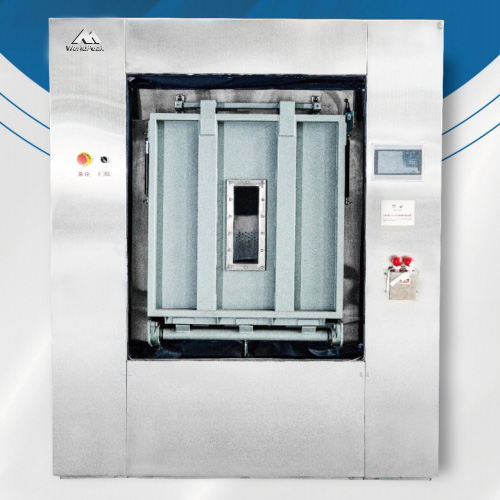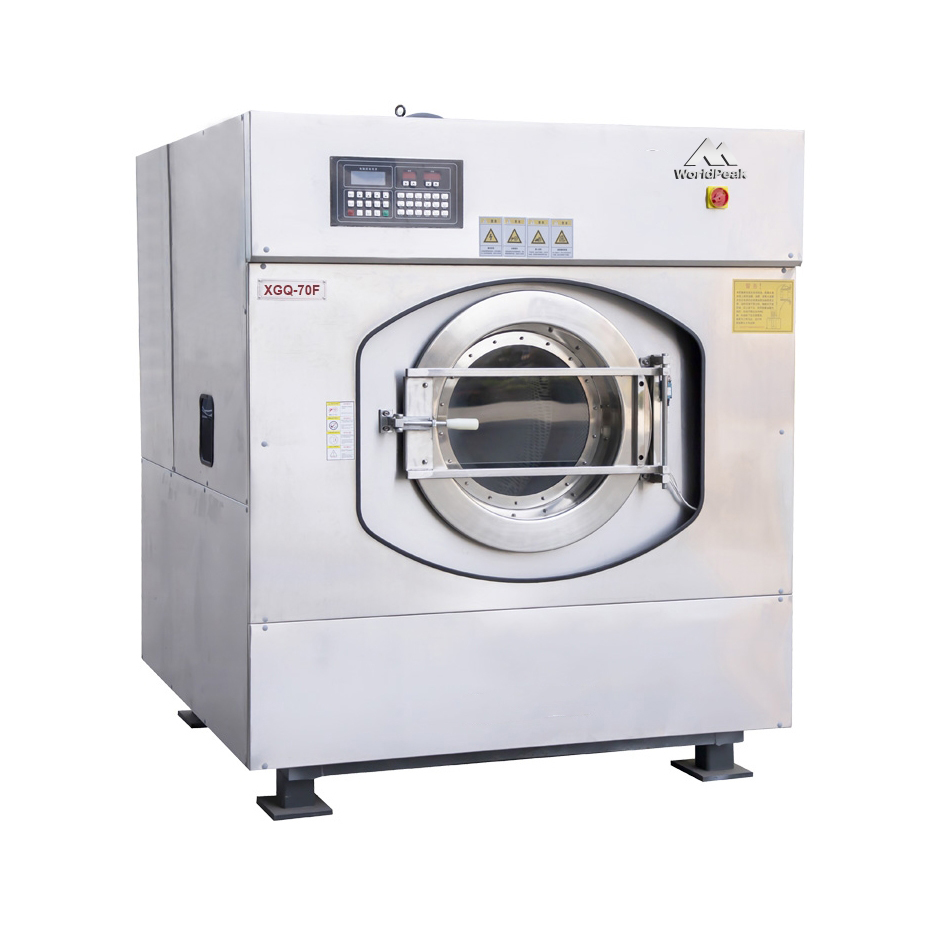

In commercial settings such as hotels, hospitals, and commercial laundries, industrial washer-extractors are essential for processing large volumes of textiles. Unlike household washing machines, these heavy-duty units are designed for continuous, demanding operation. By combining washing, rinsing, and water extraction in a single machine, they significantly improve linen-processing efficiency and reduce operating costs. This article explains how industrial washer-extractors work, the main types available, and how to select, operate, and maintain them.
What Is an Industrial Washer-Extractor?
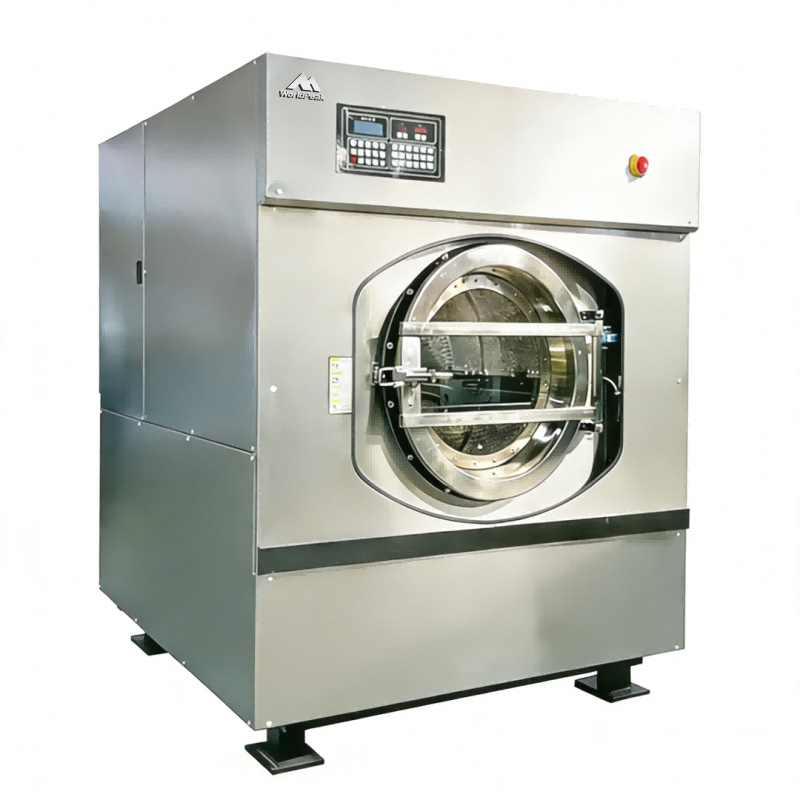
An industrial washer-extractor is a heavy-duty laundry machine designed for commercial and industrial use. It performs three processes in the same machine: washing, rinsing, and centrifugal water extraction. Its defining features are high capacity, durability, and programmable controls. Typical load capacities range from 15 to 300 kg, accommodating laundry operations of different sizes.
Industrial washer-extractors are designed around fundamentally different operating requirements than household washing machines. Household models are intended for smaller loads and less frequent use, while industrial washer-extractors are built to run continuously for eight hours or more per day. Stainless steel construction, heavy-duty motors, and vibration-damping systems help them withstand the wear associated with prolonged, high-load operation.
These machines are widely used in hotels, healthcare facilities, commercial laundries, school dormitories, industrial and mining facilities, and restaurant chains. They process a wide range of textiles, including sheets, duvet covers, towels, workwear, and tablecloths. Facilities with stricter hygiene requirements, such as hospital infectious disease departments, pharmaceutical plants, and food processing facilities, may use specialized barrier designs to prevent cross-contamination.
How Industrial Washer-Extractors Work
The operating cycle consists of three main stages: washing, rinsing, and extraction. The control system automatically carries out each stage according to a preset program, without manual intervention during the cycle.
Washing
Once the cycle starts, the machine automatically fills with water and dispenses detergent according to the selected program. When the water reaches the specified level, the perforated inner drum begins rotating slowly in alternating directions, repeatedly lifting, tumbling, and agitating the textiles.
Steam or electric heating brings the water to the required temperature, helping the detergent’s active ingredients penetrate the fibers and break down oils, perspiration stains, and other soils. Drum speeds during this stage are typically 30–40 rpm. Cleaning is achieved through the combined action of mechanical agitation and detergent chemistry.
Rinsing
After washing, the machine drains the dirty water and refills with fresh water for rinsing. Some higher-end models offer multiple rinse stages, using repeated water changes to progressively reduce detergent residues in the textiles.
Certain machines also feature automatic chemical dosing systems that add fabric softeners, disinfectants, or other treatment products during rinsing to meet different processing requirements.
Extraction
After rinsing, the machine enters the high-speed extraction stage, one of the most technically demanding parts of the cycle. Drum speed rapidly increases to 800–1,200 rpm, generating centrifugal force that expels water from the textiles through the perforations in the drum.
High-performance machines can achieve extraction G-factors above 300, leaving textiles with a residual moisture content of approximately 50%. This significantly shortens subsequent drying time and reduces energy consumption.
A programmable logic controller (PLC) manages the entire cycle. Operators can create wash programs based on fabric type and soil level, adjusting parameters such as water temperature, cycle time, and drum speed for precise process control.
Main Types of Industrial Washer-Extractors
Industrial laundry machines can be grouped into several categories according to their design, functions, and intended applications. Each has its own operating advantages and installation requirements.
Fully Automatic Washer-Extractors
These are the most common machines on the market and the preferred choice for most commercial laundries. They combine washing, rinsing, and extraction, using a full suspension system to absorb vibration and a variable-frequency drive (VFD) to control drum speed. Their controls can store multiple wash programs.
Capacities typically range from 15 to 200 kg, meeting the needs of most medium-sized laundry operations. High levels of automation, straightforward operation, and a manageable footprint make them suitable for hotels, commercial laundries, bathhouses, and similar facilities.
Hygienic Barrier Washer-Extractors
Also called dual-door or hygienic barrier washers, these machines feature separate front and rear doors and are installed through a partition wall. Soiled linens are loaded from the dirty side, and washed linens are unloaded from the clean side. This arrangement keeps the two linen streams physically separate throughout the process to prevent cross-contamination.
Barrier washers are mainly used in hospitals, biopharmaceutical plants, food processing facilities, and electronics cleanrooms, where hygiene standards are especially demanding. They are an important part of a facility’s infection-control infrastructure.
All-in-One Washer-Dryers
These machines add drying to the washer-extractor’s functions, completing washing, extraction, and drying in the same drum. Their compact footprint eliminates the need for a separate dryer, making them suitable for small hotels, neighborhood dry-cleaning shops, employee dormitories, and other locations with limited space.
However, their design generally limits load capacity and drying efficiency compared with separate washer-extractors and dryers. They are therefore better suited to smaller operations with modest laundry volumes.
Semi-Automatic Industrial Washing Machines
Also known as horizontal industrial washing machines, these are more traditional units. They provide washing only, requiring operators to transfer textiles to a separate extractor for water removal.
Their simple construction, lower purchase price, and low maintenance costs make them suitable for operations with limited budgets or specialized processing requirements. Typical applications include textile printing and dyeing facilities and workwear cleaning operations where extensive automation is not required.
Machines can also be classified by their vibration-control design as soft-mount or hard-mount models. Loading and unloading arrangements include forward-tilting and side-loading designs, each suited to different installation conditions and operating preferences.
Operating Precautions for Industrial Washer-Extractors
Proper operation and maintenance help ensure consistent cleaning results, extend equipment life, and reduce breakdowns.
Safe Operating Practices
The machine must be properly grounded, with a grounding resistance of no more than 0.1 Ω. Electrical installation must be performed by a qualified electrician to prevent electric shock.
Never open the door or reach into the drum while the machine is running. A rapidly rotating drum can cause serious injury. Before every cycle, confirm that the door is securely locked and that the door safety interlock is functioning correctly.
Inspect textiles before loading and remove coins, safety pins, keys, and other metal objects that could scratch the drum or damage the machine.
Never overload the machine. The recommended load is 60%–80% of rated capacity to maintain cleaning performance and avoid overloading the motor. Very small loads should also be avoided, as uneven load distribution can cause severe vibration during extraction.
Daily Operating Guidelines
Sort textiles by color and fabric type to prevent color transfer and fabric damage. Select a wash program appropriate for each type of linen. Towels, for example, can be washed using a high-temperature, intensive program, while wool and silk require a gentle cycle.
Do not activate the heating system when there is no water in the drum. Dry heating can damage heating elements and seals.
At the end of each workday, turn off the power supply and close the water, steam, and compressed-air valves. Drain any remaining water and leave the door open to allow ventilation and drying, helping prevent bacterial growth and metal corrosion.
Do not hose down the machine’s exterior. Water entering the electrical cabinet can cause a short circuit.
Maintenance Guidelines
After daily use, clean the detergent dispenser and filters, and check that the drain lines are clear. Each week, inspect drive-belt tension and adjust it as needed to prevent slippage. Each month, check for loose fasteners and remove dust and lint from the VFD heat sinks to maintain proper cooling of the electrical system.
Regular lubrication is essential to equipment longevity. Main shaft bearings typically require molybdenum disulfide grease every three to six months. Avoid overgreasing.
Once a year, shut down the machine for a comprehensive inspection. Check the condition of seals, bearings, and motor insulation, and promptly replace worn components.
Before an extended shutdown, thoroughly clean the machine, drain all water from its piping, disconnect the main power supply, and keep the equipment in a dry, well-ventilated environment. Before returning it to service, perform a complete inspection and confirm that all components are functioning properly.
As a core component of commercial laundry operations, an industrial washer-extractor directly affects productivity and operating costs. Understanding how these machines work and the differences between available types helps operators choose equipment that fits their business needs. Proper operating practices and maintenance allow the equipment to perform at its best, extend its service life, and reduce unplanned downtime.
Whether setting up a new laundry facility or upgrading existing equipment, consider actual processing volume, fabric types, and hygiene requirements together to select the most suitable industrial washer-extractor solution.