

A linen dryer generally consists of four main assemblies: the cabinet, combustion system, control system, and drive system. The cabinet consists of six main sheet-metal panels: the front, top, left side, right side, bottom, and rear panels (see Figure 2). The heat transfer system mainly consists of a steam control valve, a heating coil, and a hot-air duct. The control system includes an electronic control module, an operator panel, temperature sensors, and other monitoring devices. The controller adjusts operation based on the load size, moisture content, and temperature of the towels and other items. The drive system mainly includes a motor, a drive belt, a rotating drum, and an exhaust fan.
Linen dryers are widely used in hotels, hospitals, commercial laundries, self-service laundromats, schools, and laundry facilities operated by businesses and public institutions. Towels, sheets, duvet covers, and tablecloths have different requirements for drying capacity and batch handling. When choosing a model, consider the brand, compatibility with other equipment, intended use, and ease of obtaining service.
01. By heat source: electrically heated, steam-heated, and gas-fired dryers.
02. By loading and unloading method: single-door and pass-through dryers (the latter are designed for use with tunnel washer systems).
03. By air intake location: rear-air-intake dryers (energy-saving models) and top-air-intake dryers (standard models).
04. By drying capacity: five sizes are available: 15 kg, 30 kg, 50 kg, 70 kg, and 100 kg.
05. By unloading method: tilting and non-tilting models.
1. Ease of use: Linen dryers are easy to operate. After washing and spin extraction, towels can be loaded directly into the dryer. The machine stops automatically when the preset time elapses or the selected drying condition is met.
2. Drying speed: Linen dryers typically dry a load in under an hour.
3. Energy efficiency: Linen dryers use energy efficiently and consume relatively little power or fuel.
4. Hygiene: Linen dryers are effective at killing bacteria and other pathogens. After machine washing, conventional line drying leaves bacteria on towels and can expose them to recontamination, posing a health risk. Tumble drying helps kill bacteria and protect towels from recontamination, improving hygiene and quality of life.
5. Impact on the surroundings: Linen dryers are widely used in developed countries. Local regulations on the appearance of public spaces and residential areas have helped change how people wash and dry towels. Using dryers helps keep homes and streets tidy.
6. Drying results: A strong flow of hot, dry air helps loosen towel fibers, leaving towels fluffy and soft. The dried towels have a fresh scent reminiscent of towels hung out in the summer sun.
7. Installation requirements: Linen dryers need adequate installation space and, depending on the heat source, electrical wiring rated for high loads, steam piping, or gas piping. These requirements make installation more complex than for other electromechanical equipment.
8. Price: Linen dryers are well established in European and North American markets. They are simpler to manufacture than front-loading washing machines and sell for less on the international market. In China, they remain relatively expensive for most households and are mainly marketed to higher-income consumers. For busy households, a dryer makes it possible to wash and dry laundry as needed, regardless of wind or rain. This makes daily life easier, improves hygiene, and keeps living spaces tidier. Linen dryers are expected to gain wider household use in major cities first.
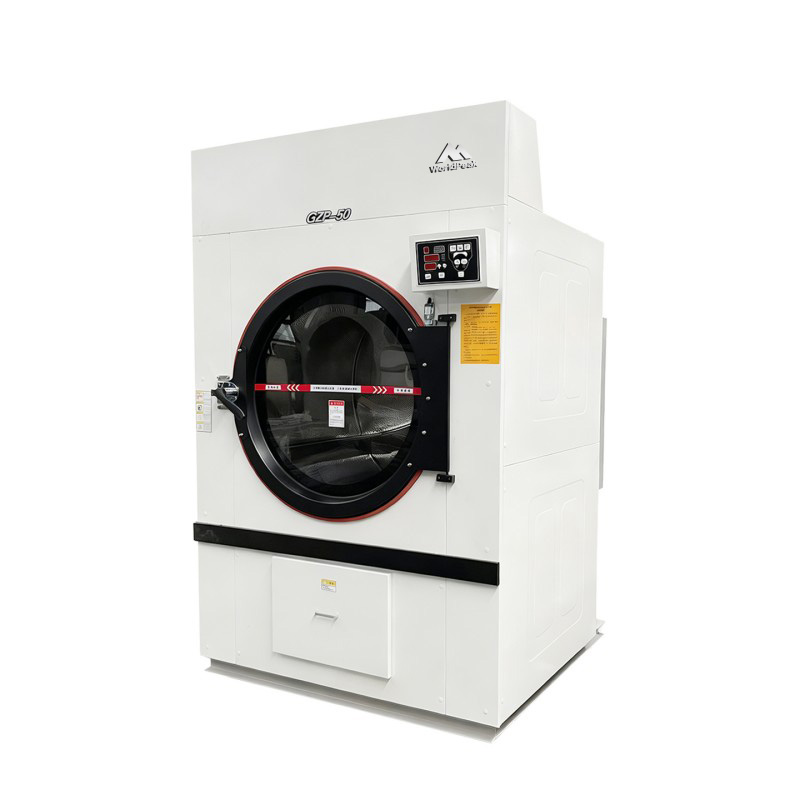
The GZP Series fully automati...
When setting up a commerc...
When setting up a laundry...
When operating a hotel wi...
Many owners of newly open...
Many entrepreneurs enteri...
Many commercial laundry a...
Whether you are opening a...
In commercial settings su...